
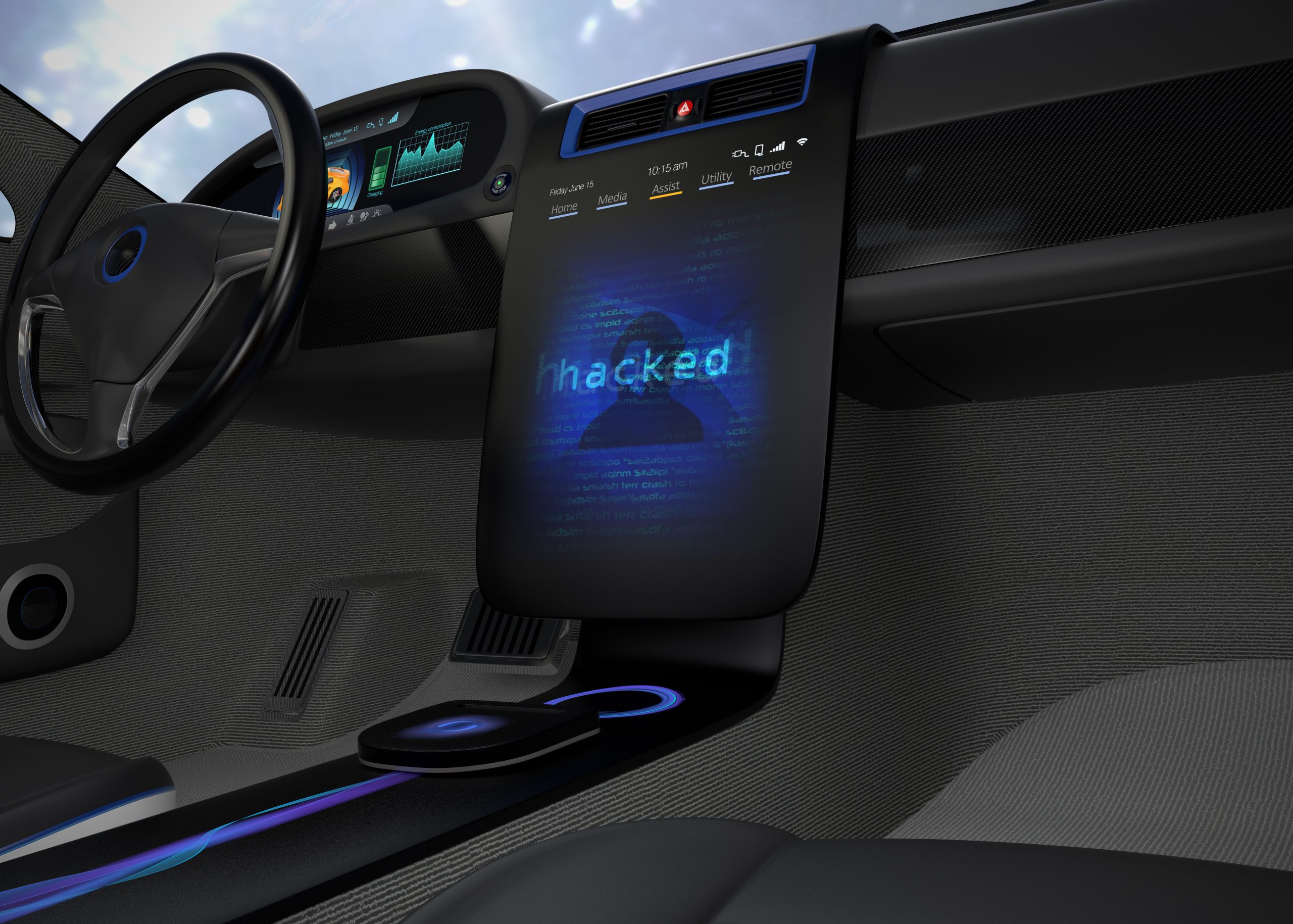
Although cybersecurity ranks as their top business concern, automotive industry leaders are not currently perceiving enough return on their cyber intelligence investments and are struggling to prioritise action due to the confusing terminology used to describe threats. Over one third (35%) of bosses in the automotive sector believe jargon and confusing cybersecurity terms are the biggest barrier they face trying to defend against increasing attacks on the connected car’s ecosystem.
Automotive cyber incidents are increasing year on year, with rising hacker activities being the prevalent factor.
Another clear trend is the growth of remote hacks, including both web-based and nearby wireless attacks. However, the challenge of defending against these attacks is further compounded by ongoing issues associated with interpreting and understanding cybersecurity jargon. As connectivity and software-driven processes have become ubiquitous across the industry, there is a clear and present danger that failure to address this issue will mean that privacy – and even consumer safety – is actively being compromised.
With automotive leaders challenged with defending against sophisticated adept and opportunistic cybercriminals, access to understandable and actionable threat intelligence is a must-have tool to support all businesses. However, the automotive c-suite is struggling to connect the real implications of their threat intelligence to specific business operations, with almost a third (29.5%) of respondents not seeing value from their cyber intelligence investments.
Increasing attacks
For a problem that touches everyone, from top to bottom in any organisation, cyber literacy is a critical component if an increasingly interconnected automotive industry is to develop a culture of cybersecurity best practice, share knowledge and, ultimately, institute actionable intelligence with clear and quantifiable return on investment. Failure to move on from tactics that rely on reactive security and risk management principles without truly understanding the risks will provide inadequate security protections, exposing organisations to unnecessary and significant cyber risk and the consequences of devastating intrusions across the entire network.
Our findings suggest that, for automotive businesses to start seeing true value from their threat intelligence investments, they should start viewing the challenge more holistically. Protecting business operations whilst tackling cybersecurity threats has radically changed – from basic IT configurations, installing an antivirus and following best practices, to a whole new level of complex coding, unknown threats and continuous cyberattacks.
Good intelligence reports and timely warnings are critically important for automotive companies across the supply chain as cybercriminals increasingly turn their focus towards the automotive industry.
By Clara Wood, Automotive Research Leader, Kaspersky