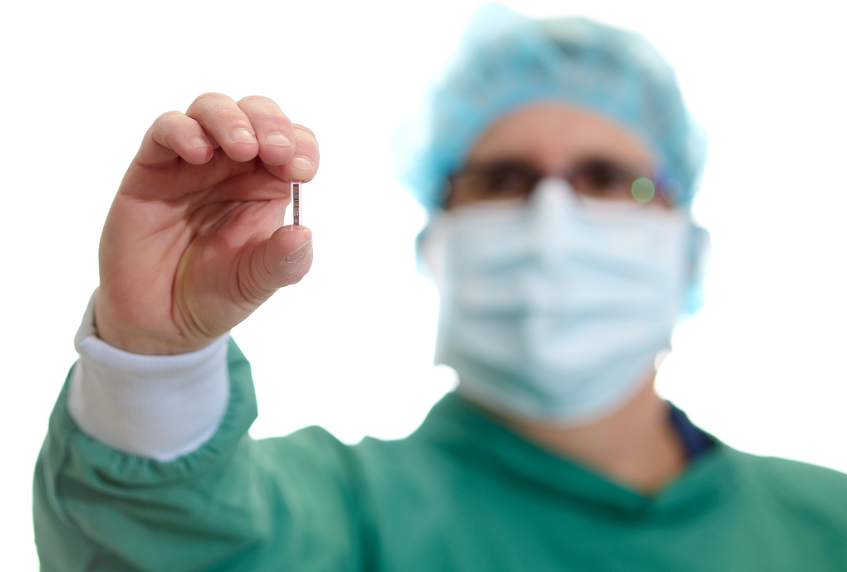
A software testing solution by Parasoft has been used by medical technology company, Kitea Health, to verify the safety-critical firmware behind its Kitea Sensor that measures intracranial pressure.
Hydrocephalus is one of the most serious and common neurological conditions, caused by an abnormal build-up of cerebrospinal fluid in the brain.
By enabling remote intracranial pressure monitoring and earlier clinical intervention, the Kitea sensor has the potential to improve patient outcomes. However, when software is part of an implantable medical device, every line of code matters. The firmware must perform reliably and comply with stringent safety and regulatory requirements. Kitea Health selected Parasoft C/C++test as its automated testing solution for developing and verifying its safety-critical embedded software, ensuring the device meets the rigorous software safety standards as part of its broader regulatory compliance strategy for Kitea’s investigational device.
“Using Parasoft C/C++test, we achieved 99-100% code coverage, executed approximately 1,000 test cases in less than 30 minutes, and reduced firmware development time by 25%,” said Masahiro Kondo, lead developer at Kitea Health. “Automated testing gives us reproducible results and the confidence we need when developing software for an implantable medical device.”
In addition to significantly reducing development time, Kitea Health benefits from automated verification, faster test execution, and comprehensive documentation of software quality, key capabilities for developing safety-critical medical devices and supporting regulatory compliance.
Parasoft C/C++test helps development teams comply with industry coding standards such as MISRA, CERT, and CWE. The solution is TÜV SÜD certified for use in functional safety development processes and combines static code analysis, unit testing, and comprehensive code coverage reporting to identify defects early and provide objective evidence for software verification.